
SLEEP FOR Health
Why is sleep important?
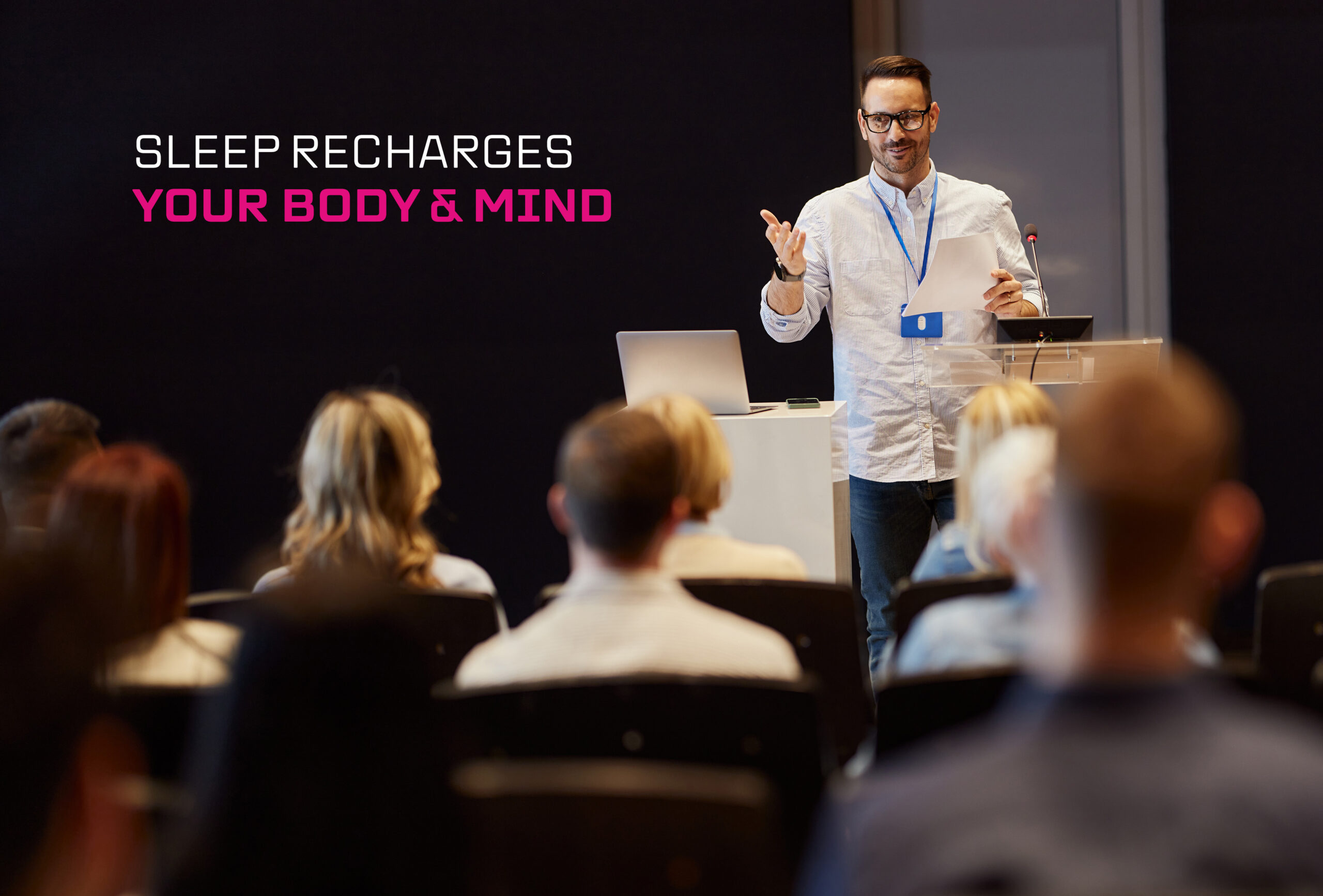
Sleep is an essential function that allows your body and mind to recharge, leaving you refreshed and alert when you wake up. Healthy sleep also helps the body remain healthy and stave off diseases.
Without enough sleep, the brain cannot function properly.
This can impair your abilities to concentrate, think clearly and process memories.
heart health
Your heart health suffers when you don’t get sufficient sleep, increasing risk of high blood pressure, heart attack and stroke. You’re at greater risk of developing type 2 diabetes, as hormones like insulin aren’t properly regulated.
cognitive function
Chronic sleep deprivation can affect your cognitive function, memory and mood, increasing the risk of depression, anxiety and even accidents due to impaired alertness.
daytime sleepiness
Constant drowsiness and difficulty concentrating can significantly impact your daily life. Excessive daytime sleepiness can hinder your productivity, relationships and overall well-being.
Most adults require at least seven hours of nightly sleep. Children and teenagers need substantially more sleep, especially if they are younger than age five. Work schedules, day-to-day stressors, a disruptive bedroom environment and medical conditions can all prevent us from receiving enough sleep.
Creating a restful nightime routine is typically advised to improve sleep.
Daytime sleepiness and fatigue
Loud snoring
Witnessed breathing pauses during sleep
Morning headaches
Difficulty concentrating
Mood swings
Increased risk of accidents and heart problems


No caffeine after 12 noon can help.

Putting away cell phones, tablets and other “blue light” devices also helps your body prepare for rest.

Daily exercise helps to work off stress, so your body is more likely to relax at bedtime.
Signs that this is not working
Many people try “everything” to get a good night’s sleep. However, sleep-related medical conditions require another approach.

You may need a doctor’s help if you:
Snore loudly every night
Wake up gasping for breath
Feel tired every morning.
Wake up with headaches
Have difficulty concentrating at work
Experience sleepiness whilst driving
These are all signs of sleep apnoea, a medical condition that causes interrupted sleep every night.
Obstructive Sleep Apnoea is the most common condition; Central Sleep Apnoea is less common, but can also cause serious sleep disruptions.
Think you might need a doctor’s help? Order a sleep study below:
Obstructive Sleep Apnoea (OSA)
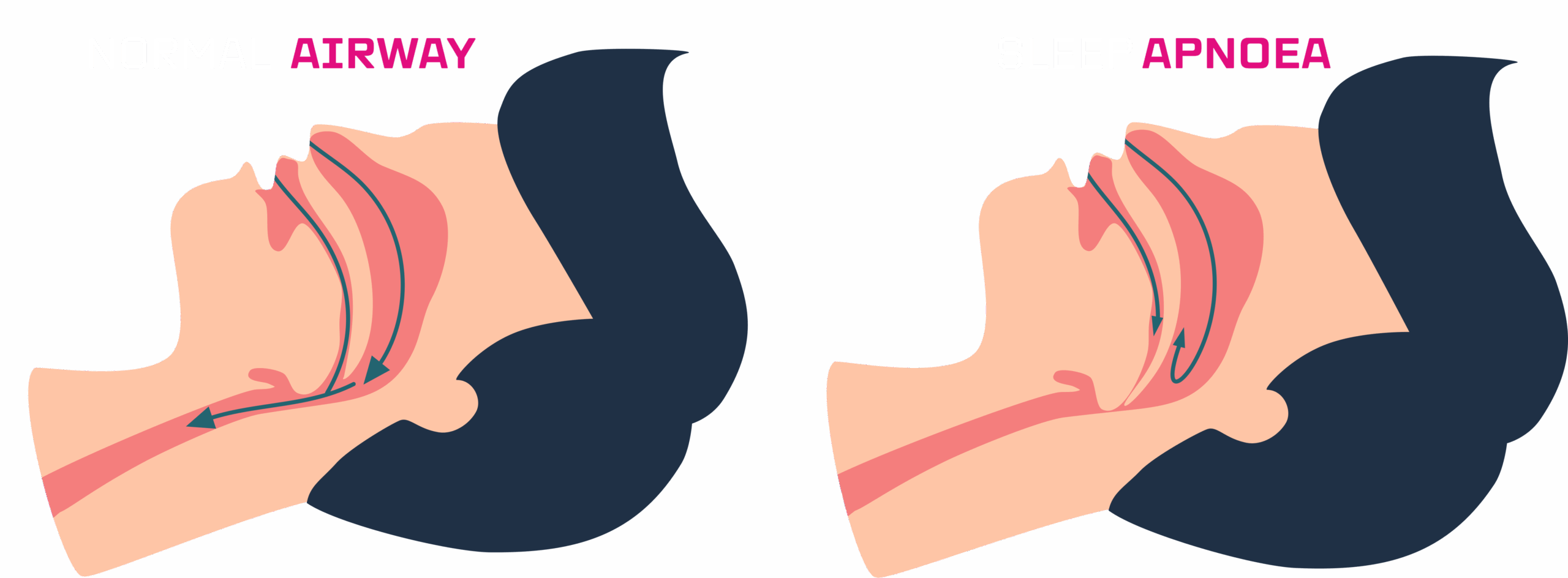
Obstructive sleep apnoea (OSA) occurs when the airway at the back of the throat becomes constricted or blocked during sleep, which may cause snoring as air is prevented from passing through normally.
In response to the airway obstruction, a person usually wakes up, engages the muscles in their throat, and takes several gasps or deep breaths, often accompanied by sounds like snorting or choking.
Central Sleep Apnoea
Central sleep apnea (CSA) involves disruption in the communication between the brain and the muscles that control breathing. As a result, breathing may become shallower and have temporary pauses. This condition is less likely to occur, compared to OSA.

A sleep consultation will unlock other causes of poor sleep, effectiveness of insomnia treatment.
Our sleep consultant will ask about your sleep patterns and symptoms – and determine the type of at-home sleep study you require.
With a simple at-home sleep study/test, we can determine if you have sleep apnoea, insomnia, or another condition – and offer treatments that can help.
What is a Home Sleep Study?
An at-home sleep study is an option for patients with sleep problems. The at-home study is convenient, and the results must still be interpreted by a certified sleep specialist within just a few days.
If you live in the UK, you’ll have your sleep test kit within 2 or 3 days, and results within one week.
A sleep study reveals the condition that is causing your sleep problems, and will place you on the path to treatment – and a good night’s sleep.
With today’s technology, we have proven treatments that provide lasting results.
The process of a home sleep study
01
Complete the Questionnaire
Once you book your consultation or sleep study, you’ll receive a detailed sleep questionnaire. Completing this helps tailor your sleep assessment.
02
Receive the Kit
A courier will deliver the Sleep Study kit directly to your home. It includes simple, easy-to-understand instructions and user-friendly technology.
03
Do the Study at Home
Wear the provided sensors overnight in the comfort of your own bed. The setup is straightforward and designed to be stress-free.
04
Return the Kit & Get Results
Send the kit back via courier. Your results will be analyzed and reported—typically, the whole process is completed within one week.
We can help you
Get Started

Road to better Sleep Health
A sleep consultation will unlock other causes of poor sleep, effectiveness of insomnia treatment.
Our sleep consultant will ask about your sleep patterns and symptoms – and determine the type of at-home sleep study you require.
With a simple at-home sleep study/test, we can determine if you have sleep apnoea, insomnia, or another condition – and offer treatments that can help.
Our Sleep Vitality team has specialists who will advise you on testing and treatment that can benefit you. If you’re ready for a good night’s sleep – every single night – contact us to speak with a sleep consultant. With a home sleep test, you can learn the medical basis for your sleep problems – and we can give you the treatment that will help. Let’s chat now!
Contact us for help with sleep difficulties, guidance on DVLA driving questions, or a thorough and attentive assessment.
Book a Consultation with Dr. Iyer
(from £200) (via Zoom or Teams)
Required before booking a Sleep Study; Dr. Iyer will advise you on the sleep study that best suits your needs.


Sleep Apnoea
What is Sleep Apnoea?
Sleep Apnoea Treatments
Why is Sleep Important?
Living with Sleep Apnoea
Sleep for Performance
Sports Organisations & Athletes
Corporate
Our Services
Sleep Studies
At-home Sleep Study
About Us
DVLA Guidance
Advice for Drivers
Additional Resources