
Sleep Study for Snoring & Sleep Apnoea
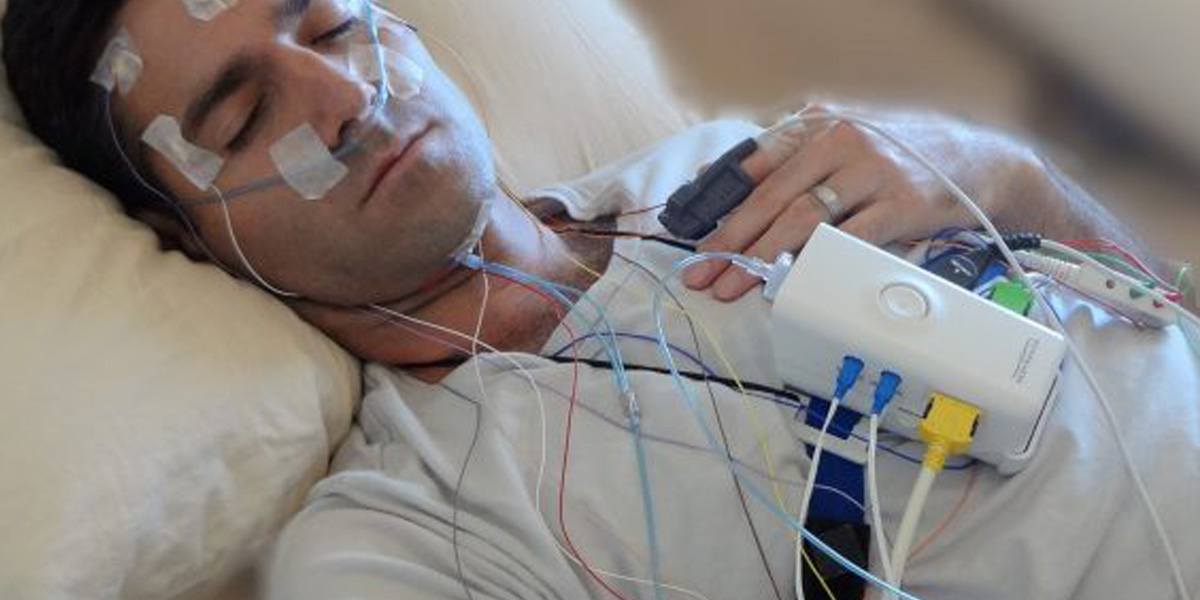
An overnight sleep study is the most accurate way to diagnose sleep apnoea. This can be done at home or in hospital. Hospital sleep studies are elaborate and extremely accurate, but are inconvenient and usually unnecessary for most cases of sleep apnoea.
Your study will be reviewed for quality and manually scored by a physiologist. It will then be validated and reported by a sleep consultant before recommendations are made based on the sleep questionnaire that you will have completed before the study.
On rare occasions, it may be necessary to put you through a more comprehensive study depending on the results and your sleep questionnaire. This is suggested in less than 10% of patients having a sleep study. The sleep consultant will submit a detailed report setting out the reasons for a second test.
Complex Sleep Disorders
Complex sleep disorders – including sleepwalking, sleep talking, dream enactment – require a consultation, a sleep study, and customised treatment including medication.

Start Here
You must complete a detailed sleep questionnaire so we can customise the sleep study for you. You can fill in our short form below to request this questionnaire.
Contact Us
You can contact us directly if you have any questions or would like to end us a message.
Ordering a Sleep Study
What happens during the process?
From expert analysis to personalised treatment, we ensure you’re supported every step of the way — all from the comfort of your home.
Here’s how it works:
01

Sleep Study Analysis
Your home sleep test is manually reviewed and scored by a trained physiologist to ensure accuracy and quality.
02

Expert Validation & Reporting
A senior sleep consultant validates the results and creates a detailed report based on your study and questionnaire.
03

Rapid Results Delivery
We deliver your complete results within one week, so you’re never left waiting.
04

Personalised Consultation & Plan
Meet with a senior sleep physician via video call to discuss your symptoms and receive a customised treatment plan — often arranged within just a few days.
We can help you
Get Started

Road to better Sleep Health
A sleep consultation will unlock other causes of poor sleep, effectiveness of insomnia treatment.
Our sleep consultant will ask about your sleep patterns and symptoms – and determine the type of at-home sleep study you require.
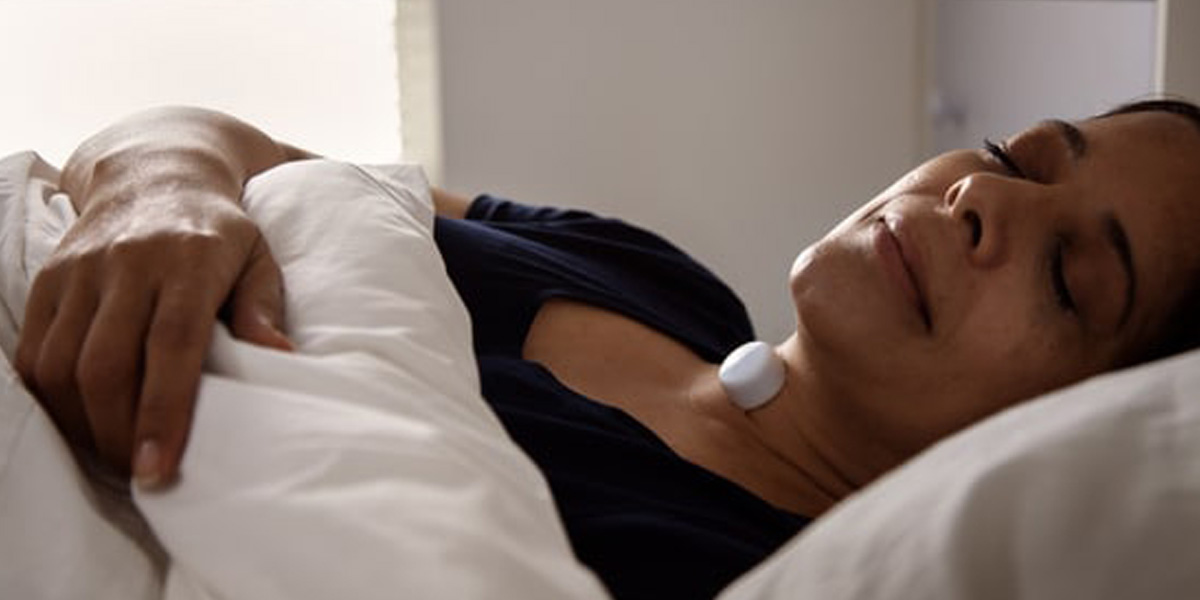
With a simple at-home sleep study/test, we can determine if you have sleep apnoea, insomnia, or another condition – and offer treatments that can help.
Our Sleep Vitality team has specialists who will advise you on testing and treatment that can benefit you. If you’re ready for a good night’s sleep – every single night – contact us to speak with a sleep consultant. With a home sleep test, you can learn the medical basis for your sleep problems – and we can give you the treatment that will help. Let’s chat now!
Contact us for help with sleep difficulties, guidance on DVLA driving questions, or a thorough and attentive assessment.
Book a Consultation with Dr. Iyer
(from £200) (via Zoom or Teams)
Required before booking a Sleep Study; Dr. Iyer will advise you on the sleep study that best suits your needs.

I’ve recently undergone a sleep apnea overnight test, provided by Dr Iyer of Sleep Vitality.
He was extremely helpful explaining the procedure, and sending back my results promptly, making the whole experience easy
About Us
Get To Know More About us

Dr Sriram Iyer MBBS, FRCP
Dr Sriram Iyer qualified as a medical doctor in 2002 and trained in Wales, Cambridge and Liverpool before qualifying as a specialist sleep doctor in 2012.
He leads the NHS Sleep Service at Sheffield Teaching Hospitals, which is one of the largest sleep centres in the North of England. He runs a dedicated Respiratory & Neurology Sleep clinic treating various sleep disorders including sleep apnoea, hypoventilation, parasomnias, sexsomnia, limb movement disorders, insomnia and narcolepsy. His team sees about 4000 patients every year.

Ordering a Sleep Study
Sleep Study Accuracy
The sleep study is 80% accurate in diagnosing or ruling out the condition. This means, in around one in five patients, more comprehensive polysomnography testing may be required which involves a more detailed study. This is either due to subtle sleep apnoea or an alternative diagnosis.
Selecting the right study is very important to improve the accuracy of the test. This is why the questionnaire is critical. The accuracy of information you provide improves the likelihood of a definite diagnosis with the first test.
Questions about sleep studies?
Dr. Iyer will explain the studies in detail in your consultation. Book now, and start the path to a better night’s sleep!
20 Facts About Sleep and Its Impact on Health
Did You Know?
1
The average adult needs seven to eight hours of sleep per night: Insufficient sleep can have detrimental effects on physical and mental health.
2
Sleep deprivation weakens your immune system: This makes you more susceptible to illnesses like the common cold and flu.
3
Chronic sleep deprivation increases the risk of chronic diseases: These include heart disease, diabetes, and obesity.
4
Sleep is essential for memory consolidation: During sleep, your brain processes and stores information, improving learning and memory recall.
5
Lack of sleep impairs cognitive function: It can decrease attention span, focus, and decision-making abilities.
6
Getting enough sleep boosts mood and reduces stress: Sleep deprivation can contribute to anxiety, depression, and irritability.
7
Sleep regulates hormones: This impacts appetite, metabolism, and energy levels.
8
Deep sleep helps with muscle repair and tissue growth: It’s crucial for recovery after exercise and injury.
9
Regular sleep promotes creativity and problem-solving skills: Adequate sleep allows your brain to make connections and think outside the box.
10
Short naps can improve alertness and cognitive performance: Aim for 20-30 minutes to avoid feeling groggy upon waking.
11
Blue light exposure before bed can disrupt sleep: Limit screen time in the evening and opt for calming activities like reading.
12
Regular exercise promotes better sleep quality: However, avoid strenuous workouts close to bedtime.
13
Creating a relaxing bedtime routine can signal to your body it’s time to wind down: This might include taking a warm bath, reading, or listening to calming music.
14
Maintaining a consistent sleep schedule, even on weekends, helps regulate your internal clock: This can significantly improve sleep quality.
15
Caffeine and alcohol can interfere with sleep: Limit your intake, especially in the evening.
16
Creating a comfortable sleep environment is key: Ensure your bedroom is dark, quiet, and cool.
17
If you experience chronic sleep problems, consult a doctor: Underlying medical conditions like sleep apnea could be impacting your sleep.
18
Prioritising sleep is an investment in your overall health and well-being: It’s not a luxury, but a necessity.
19
Getting enough sleep can improve your appearance: It reduces dark circles, puffiness, and promotes healthy skin.
20
Sleep is essential for maintaining a healthy weight: Sleep deprivation can disrupt hormones that regulate hunger and satiety.
Remember, these are just general facts, and individual sleep needs can vary. Always consult a healthcare professional for personalised advice.

Sleep Apnoea
What is Sleep Apnoea?
Sleep Apnoea Treatments
Why is Sleep Important?
Living with Sleep Apnoea
Sleep for Performance
Sports Organisations & Athletes
Corporate
Our Services
Sleep Studies
At-home Sleep Study
About Us
DVLA Guidance
Advice for Drivers
Additional Resources