
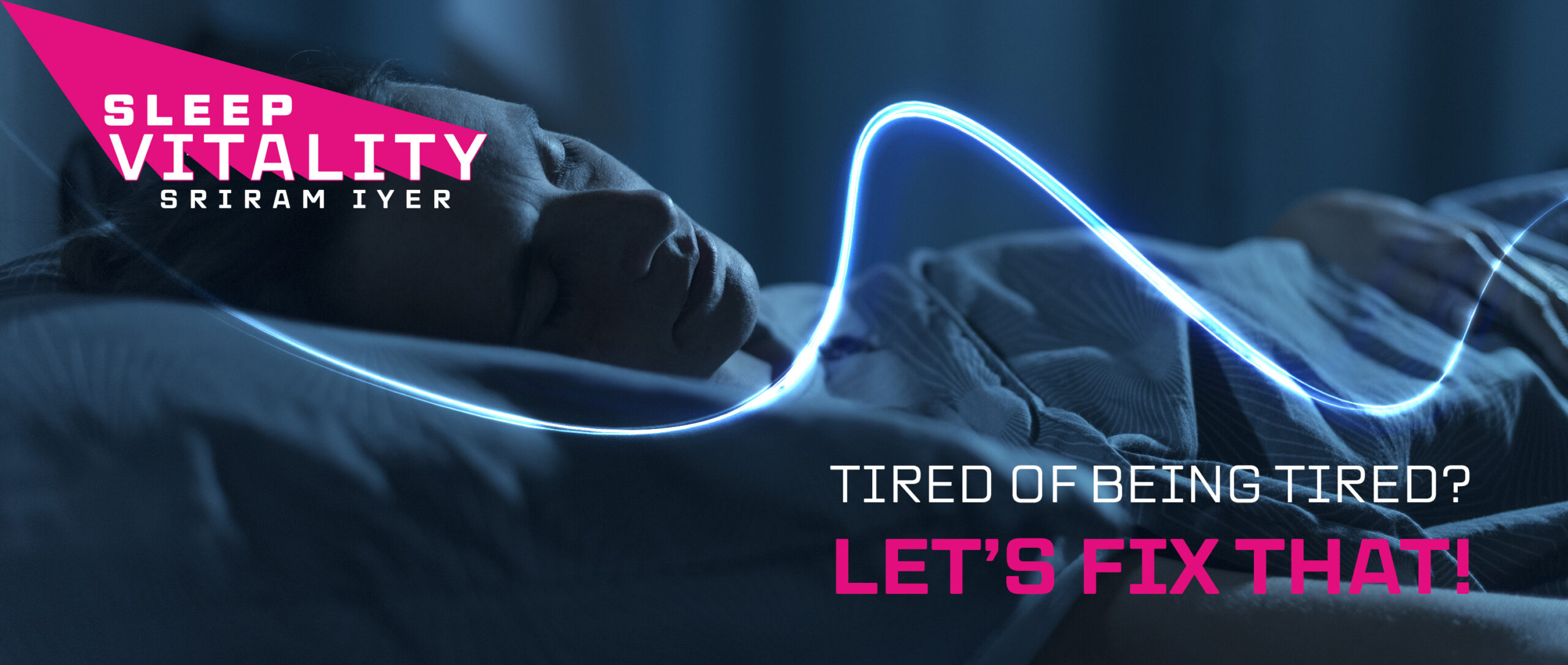
Understanding Sleep Apnoea
Sleep apnoea disrupts your sleep, impacting your well-being and overall health. But with different types of sleep apnoea, understanding the specific challenges is crucial for effective diagnosis and treatment.
The Risks of Sleep Apnoea
While the symptoms of sleep apnoea, like daytime fatigue and snoring, might seem innocuous, leaving it untreated can lead to serious health complications down the road.
Here’s why seeking diagnosis and treatment early matters:
Cardiovascular dangers:
Untreated sleep apnoea puts significant strain on your heart. The frequent oxygen drops during apnoeas cause your heart to work harder, increasing the risk of high blood pressure, heart attack and stroke.
Brain and mood blues:
Chronic sleep deprivation from apnoea can affect your cognitive function, memory and mood, increasing the risk of depression, anxiety and even accidents due to impaired alertness.
Metabolic mayhem:
Sleep apnoea disrupts your body’s ability to regulate hormones like insulin, potentially leading to type 2 diabetes and worsening existing cases.
Quality of life decline:
Beyond specific health risks, untreated sleep apnoea can significantly impact your daily life. Excessive daytime sleepiness can hinder your productivity, relationships, and overall well-being.
Remember, early diagnosis and treatment can significantly reduce these risks and improve your quality of life. Talk to your doctor if you suspect you might have sleep apnoea, and prioritise getting the restful sleep you deserve.
Below, we explore two primary forms:
Obstructive Sleep Apnoea (OSA):
When Your Airway Gets Narrow
Complex Sleep Apnoea (CSA):
When Your Brain Doesn’t Send “Breathe” Signals
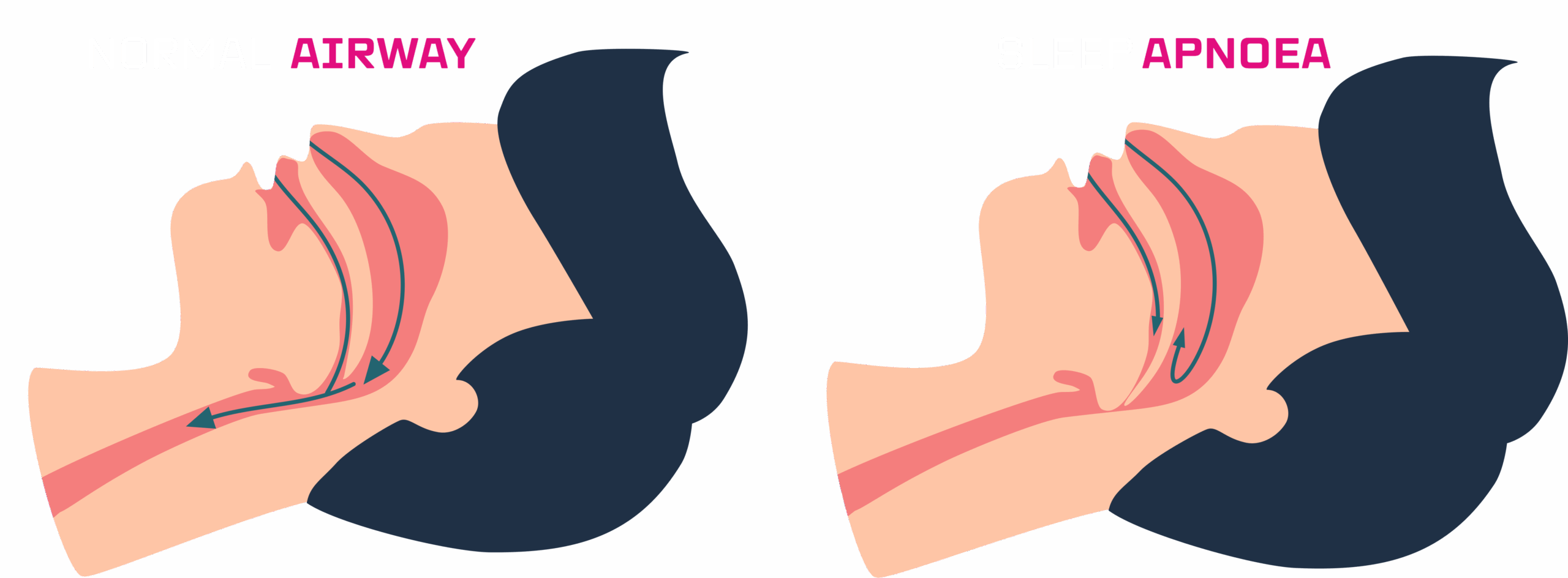
Obstructive Sleep Apnoea (OSA) is the most common form of sleep apnoea, affecting millions worldwide. During sleep, your throat muscles relax, causing your airway to narrow or even collapse. This blocks airflow, leading to apnoeas (breathing pauses) and hypopneas (shallow breaths).
Symptoms of OSA:
Daytime sleepiness and fatigue
Loud snoring
Witnessed breathing pauses during sleep
Morning headaches
Difficulty concentrating
Mood swings
Increased risk of accidents and heart problems

Diagnosing OSA:
A sleep study, either at home or in a sleep lab, records your sleep patterns, breathing, brain waves and oxygen levels. Based on the results, your doctor can diagnose OSA and its severity.
Treating OSA:
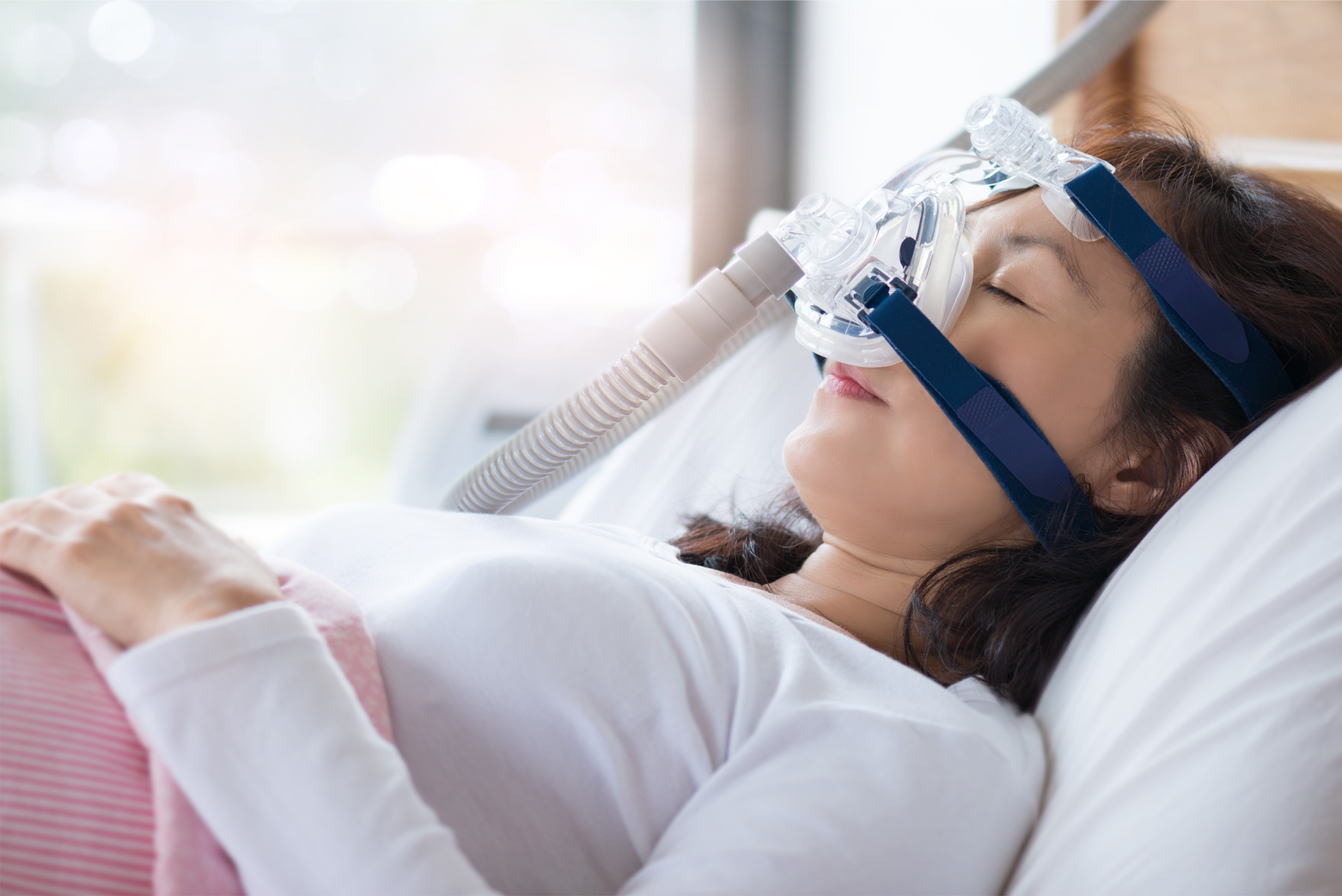
Personalising treatment for OSA is crucial to ensuring long term compliance. Although Continuous Positive Airway Pressure (CPAP) therapy is considered the gold standard treatment, other treatment modalities may be more appropriate for individual patients.
A CPAP machine gently delivers pressurised air through a mask, keeping your airway open during sleep.
Other treatment options might include:
Oral appliances (also called Mandibular Advancement Devices) to reposition your jaw and tongue
Weight loss, if appropriate
Specific types of surgery in very selected cases
Symptoms of CSA:
Similar to OSA symptoms, but may also include:
Anxiety
Depression
Chest tightness upon waking
Difficulty starting or maintaining sleep

Diagnosing CSA:
The diagnosis often involves ruling out OSA first. A sleep study and additional tests may be needed to identify the underlying cause of CSA, such as heart failure, neurological conditions or medication side effects.
Treating CSA:
There’s no one-size-fits-all solution for CSA. Treatment depends on the underlying cause.
Options may include:
Adaptive Positive Airway Pressure (APAP) therapy: Adjusts pressure automatically throughout the night, addressing both OSA and CSA components.
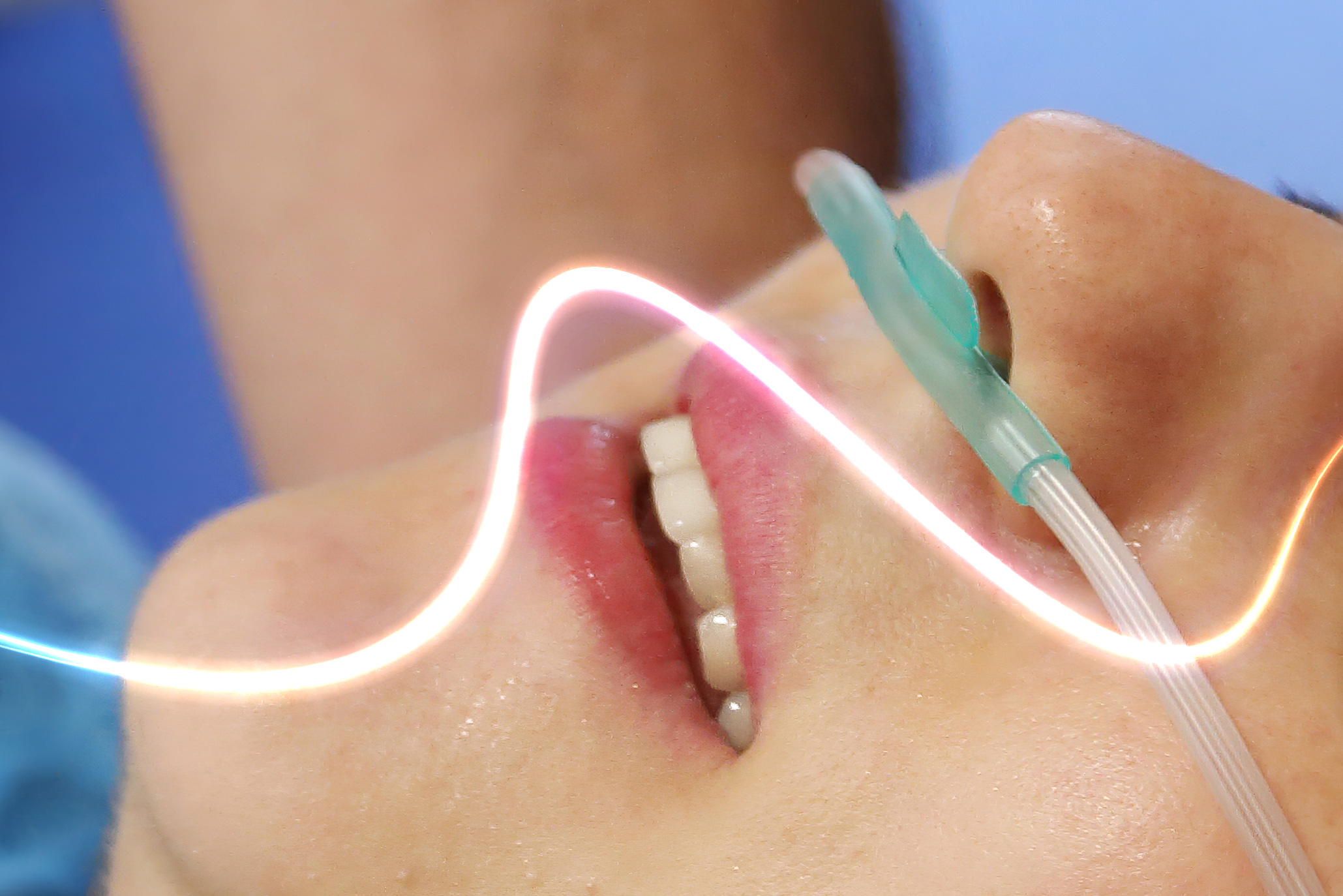
Supplemental oxygen therapy: Increases oxygen levels during sleep.
Addressing underlying medical conditions: Treating heart failure, neurological issues or adjusting medications.
Improve sleep and health
Living with Sleep Apnoea

Both OSA and CSA can significantly impact your life. Early diagnosis and proper treatment are crucial for getting the restful sleep you need to feel your best and improve your overall health.
Visit our Sleep Apnoea Treatment page to understand more about what you can change and how Sleep Vitality can help you.
Want to know more about sleep aponea treatment?
Talk to your doctor about your sleep concerns, or get in touch with us to explore your treatment options.
Not sure where to start?

Sleep Apnoea
What is Sleep Apnoea?
Sleep Apnoea Treatments
Why is Sleep Important?
Living with Sleep Apnoea
Sleep for Performance
Sports Organisations & Athletes
Corporate
Our Services
Sleep Studies
At-home Sleep Study
About Us
DVLA Guidance
Advice for Drivers
Additional Resources