
Hit the Brakes on
Drowsy Driving
Protecting Yourself and Others on the Road
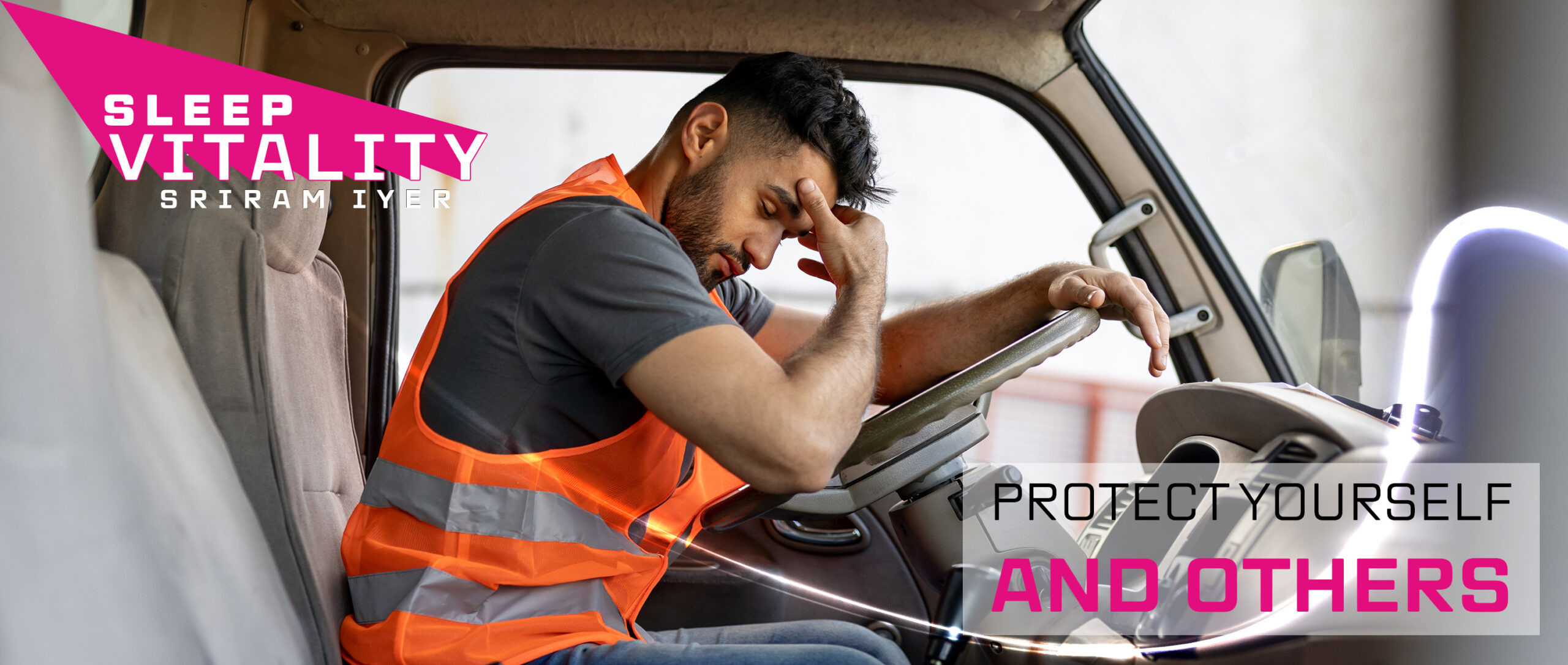
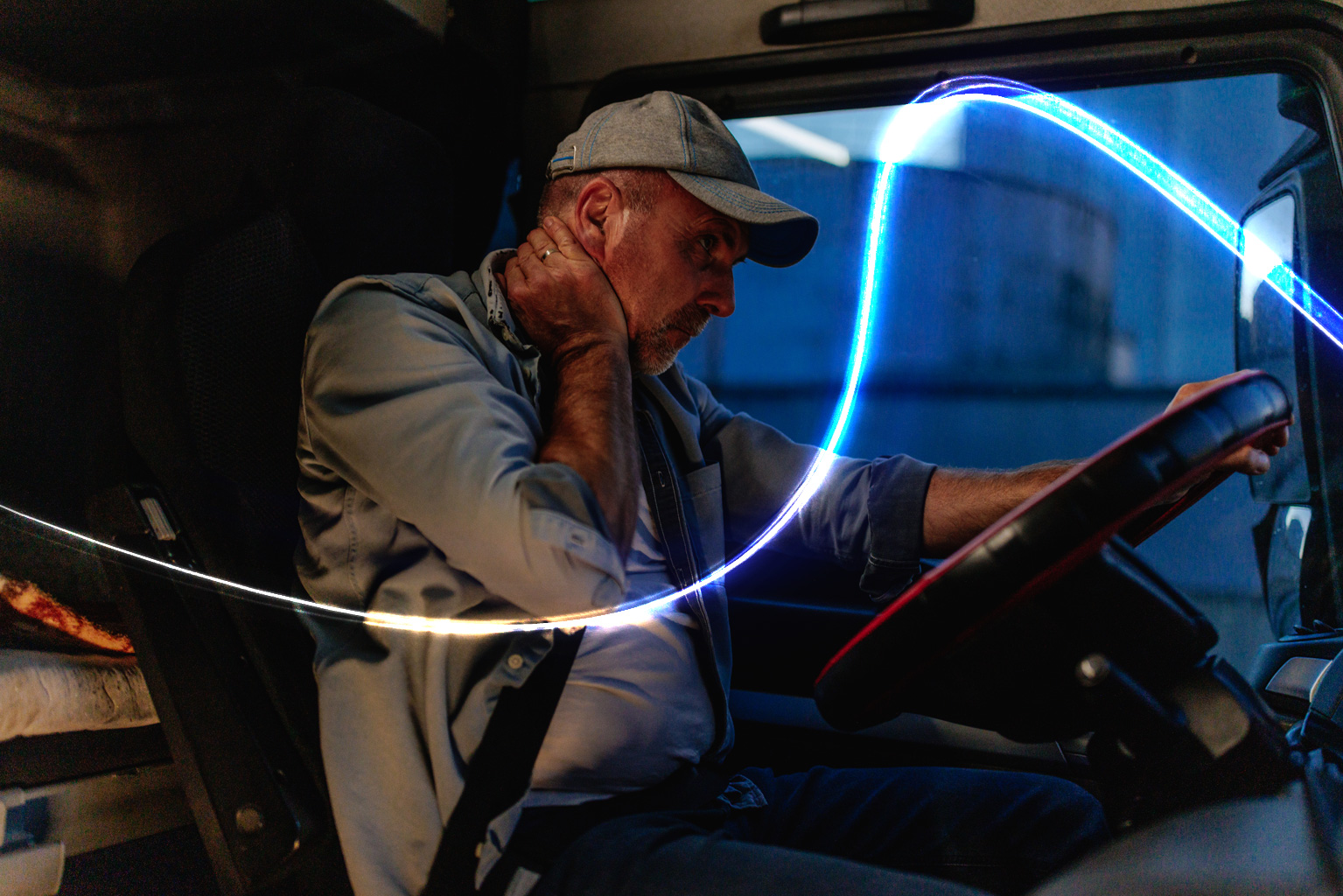
Driving while tired is no different than driving under the influence – it’s dangerous and puts yourself and others at risk. The statistics are alarming: driver fatigue contributes to up to 30% of road traffic accidents, and one in five fatal crashes involve drowsy drivers.
Thankfully, the Driver and Vehicle Licensing Agency (DVLA) has recently updated its advice to help sleepy drivers, particularly those with a diagnosis of sleep apnoea, stay safe on the road.
Additional Resources
Think you need help? Request a sleep study below.
The Dangers of Drowsy Driving:
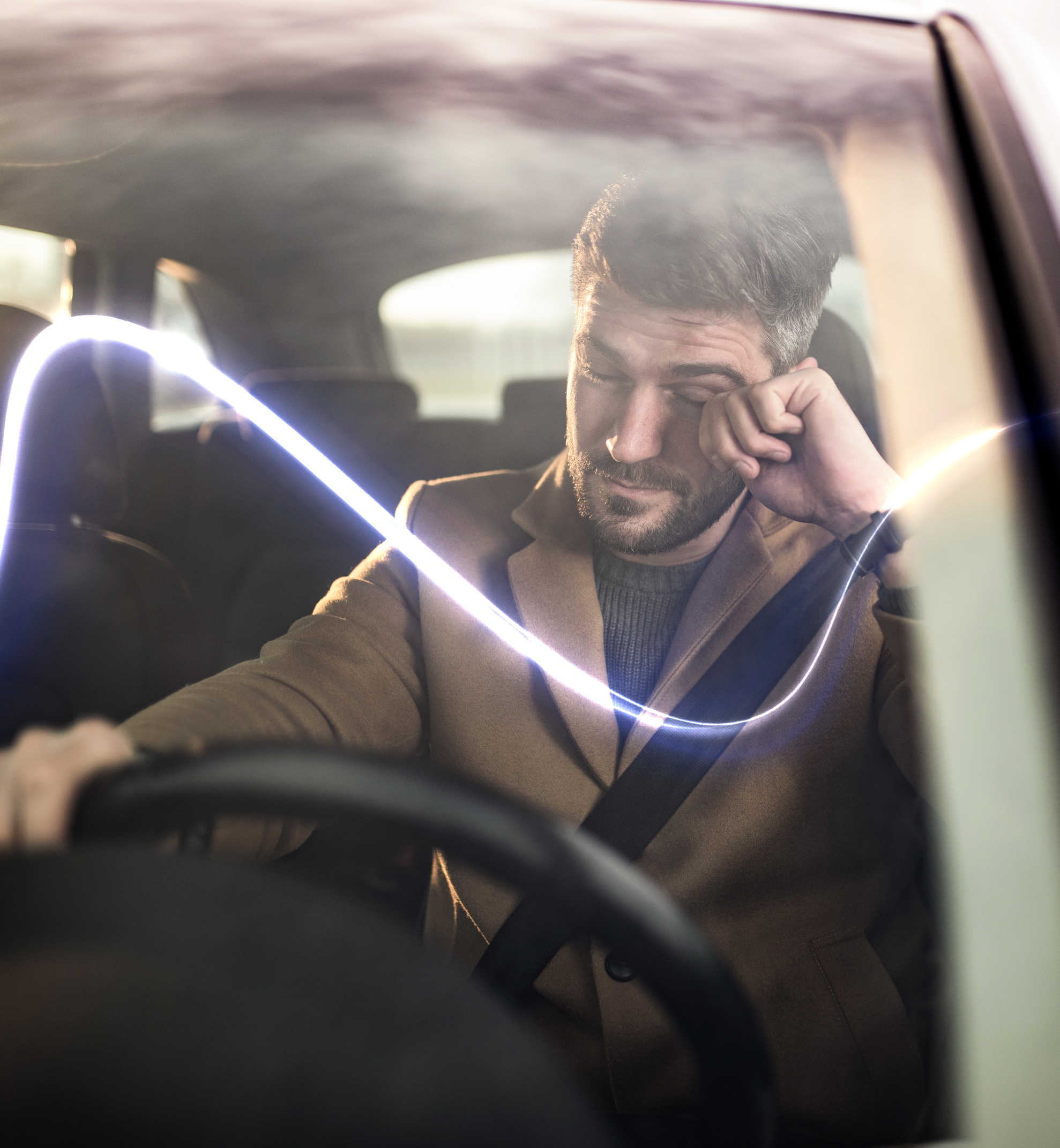
Sleep deprivation impairs your driving ability in several ways:
Slowed reaction time:
You might not react quickly enough to avoid hazards, increasing the risk of accidents.
Reduced alertness:
You may miss essential traffic signs or changes in the road environment.
Microsleeps:
Brief moments of falling asleep at the wheel, even for just a few seconds, can have devastating consequences.
Impaired judgment:
Drowsiness can cloud your thinking, leading to poor decision-making behind the wheel.
fatigue while driving?
Are You at Risk?
Anyone can experience fatigue while driving, but certain factors increase the risk:
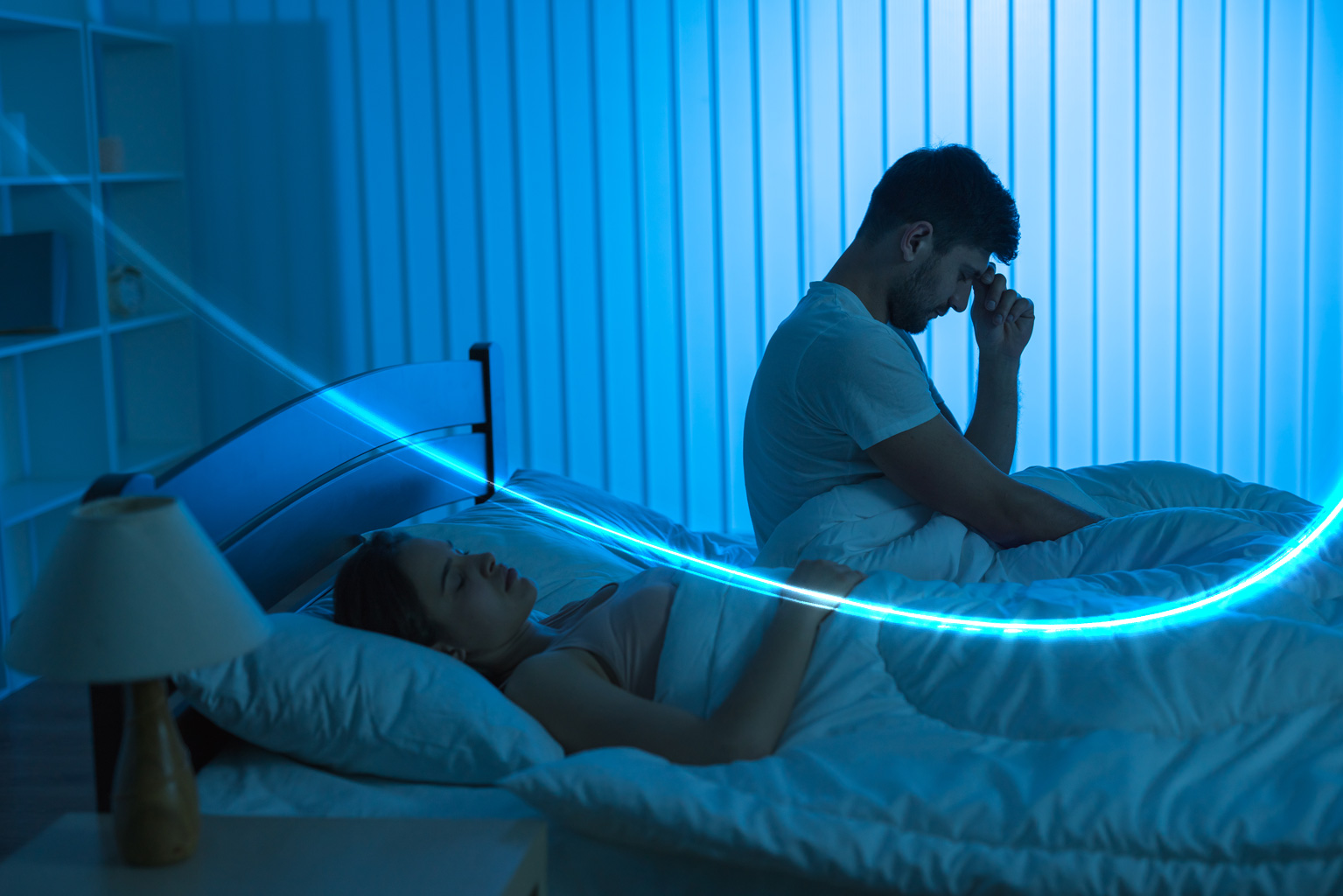
Sleep apnoea:
This sleep disorder causes you to stop breathing repeatedly during sleep, leading to daytime sleepiness.
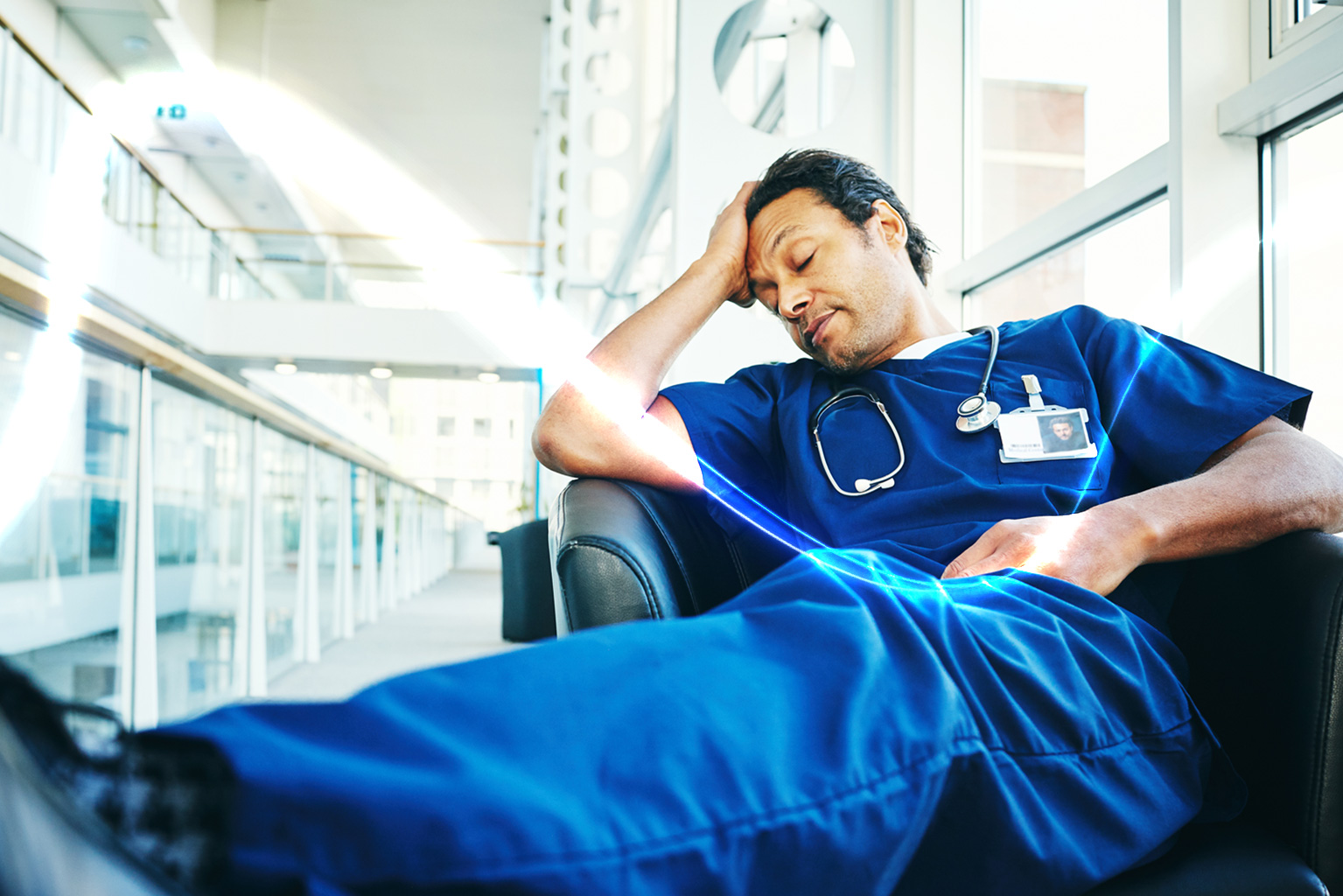
Shift work:
Irregular sleep patterns can disrupt your natural sleep-wake cycle, making you drowsy during waking hours.
Long journeys:
Driving for extended periods without breaks can lead to fatigue, especially at night.

Medication:
Certain medications can cause drowsiness as a side effect.
We can help you
DVLA Guidance for Sleepy Drivers:
The DVLA offers crucial advice for drivers prone to sleepiness:
Seek medical advice:
If you suspect you have sleep apnoea. Consult your doctor for diagnosis and treatment options.
Check your medication:
Ask your doctor if any medications you take cause drowsiness and discuss alternatives if necessary.
Get enough sleep:
Aim for seven to eight hours of quality sleep each night.
Recognise the signs of fatigue:
Yawning, heavy eyelids, difficulty concentrating, and drifting out of lane are all warning signs.
Pull over and rest:
If you feel drowsy, find a safe place to pull over and rest until you feel alert enough to continue.
Specific Advice for Drivers with Sleep Apnoea:
The DVLA provides additional guidance for drivers with diagnosed sleep apnoea:
Inform the DVLA:
You must declare your sleep apnoea diagnosis to the DVLA, who will assess your suitability to drive based on the severity of your condition and treatment adherence.
Follow your treatment plan:
Using a Continuous Positive Airway Pressure (CPAP) machine effectively can significantly improve your alertness and allow you to drive safely.
Regular reviews:
The DVLA may require regular medical reviews to ensure your sleep apnoea is under control and your driving remains safe.
Remember:
Taking responsibility for your sleepiness is crucial for protecting yourself and others on the road. By following the DVLA’s advice and seeking appropriate treatment for sleep apnoea, you can ensure safe and responsible driving.
We can help you
Get Started

Road to better Sleep Health
A sleep consultation will unlock other causes of poor sleep, effectiveness of insomnia treatment.
Our sleep consultant will ask about your sleep patterns and symptoms – and determine the type of at-home sleep study you require.
With a simple at-home sleep study/test, we can determine if you have sleep apnoea, insomnia, or another condition – and offer treatments that can help.
Our Sleep Vitality team has specialists who will advise you on testing and treatment that can benefit you. If you’re ready for a good night’s sleep – every single night – contact us to speak with a sleep consultant. With a home sleep test, you can learn the medical basis for your sleep problems – and we can give you the treatment that will help. Let’s chat now!
Contact us for help with sleep difficulties, guidance on DVLA driving questions, or a thorough and attentive assessment.
Book a Consultation with Dr. Iyer
(from £200) (via Zoom or Teams)
Required before booking a Sleep Study; Dr. Iyer will advise you on the sleep study that best suits your needs.


Sleep Apnoea
What is Sleep Apnoea?
Sleep Apnoea Treatments
Why is Sleep Important?
Living with Sleep Apnoea
Sleep for Performance
Sports Organisations & Athletes
Corporate
Our Services
Sleep Studies
At-home Sleep Study
About Us
DVLA Guidance
Advice for Drivers
Additional Resources